The Writing NSW Varuna Fellowship is awarded annually to a Writing NSW member with a work of fiction, creative non-fiction, a play, or a suite of poems that is ready for the next stage of development.
The fellowship includes a week’s residency at Varuna, the National Writers’ House in Katoomba, with full board and accommodation including a prepared evening meal, uninterrupted time to write in your own private studio, and the companionship of your fellow writers, as well as an optional one-hour consultancy with an experienced writer.
A week at Varuna is a rare gift for a working writer: time away from the demands of daily life, a beautiful setting in the Blue Mountains, and the kind of focused quiet that lets a project take shape. Fellows consistently describe the residency as a turning point in their creative practice.
2024 winner, J. Marahuyo, says of the residency:
‘The Writing NSW – Varuna Fellowship came at the perfect time, in the midst of turmoil, it provided peace and time to process and heal with my creativity… Through the one-on-one conversation with my chosen mentor I was able to refocus and find the central question to each poem and work on looking at it from a narrative perspective, it affirmed my need to strengthen my story telling by being unafraid to hold my reader’s hand a little more. The consultation, the rainy haunted ambience and the conversations with my fellow writers provided fertile soil for ideas to blossom and space to breathe.’
The winner and two runners up also receive an additional complimentary year of Writing NSW membership.
Judging
Applications are judged blind. Panellists read the writing sample, statement and synopsis without knowing anything about the writer’s identity. On this basis, the panel considers:
- Artistic merit: the distinctiveness of voice, technical command of the form, and the originality and ambition of the proposed work.
- Impact of the residency: the demonstrated benefit the residency will bring to the applicant’s creative practice and the proposed work.
- Capacity to deliver: the applicant’s demonstrated creative practice and commitment to the proposed work. For work drawing on First Nations content or on stories that are not the applicant’s own, this includes evidence of appropriate cultural protocols and consultation.
Application Requirements
In the application you will be asked to provide the following:
1. A combined document (maximum two pages total) in PDF format that includes:
- a one page statement on how the Fellowship will aid the development of your project, and
- a one page synopsis of your project.
File naming must follow this format: “manuscript title_Statement.pdf” (e.g. My Story_Statement.pdf).
2. An extract from your manuscript of no more than 10 pages in PDF format.
File naming must follow this format: “manuscript title.pdf” (e.g. My Story.pdf).
Helpful information to review before you apply:
Synopsis
Get some tips on how to write a synopsis here.
Writers submitting a poetry collection should consider including the collection’s central themes, recurring imagery, and emotional touch points in their synopsis. Focus on what connects the poems rather than the poems as individual pieces. You should also explain where your submitted poems fit within the larger collection.
Format
Your manuscript must be formatted as follows to be considered:
Line spacing: 1.5 or double, poetry should be single spaced with stanzas double spaced
Font: Times New Roman, 12 pt
Margins: At least 3 cm on all sides (Word’s default margins are fine)
Alignment: Text should be left-aligned (not fully justified)
Page numbers: Include page numbers, consecutive from beginning to end
Scripts: Character names should be in CAPITALS and centred above the dialogue or as a run-in. Stage directions should be italicised or set in parentheses and kept brief. Both of these standards must be consistent throughout the extract. Character lists/setting/etc can be included in the synopsis.<br/ >Anonymity: Do not include your name or any personally identifying information in the manuscript or accompanying documents (synopsis and statement).
Anonymity
The Varuna Fellowship is judged blind. Panellists don’t know who wrote what they’re reading, which means the writing has to speak for itself. Each year we receive applications from writers whose work would otherwise have been in the running, but who accidentally left their name somewhere in their documents. We can’t consider these applications, so please take a few minutes to check.
Before you upload, please check for and remove:
- Your name in headers, footers, title pages or filenames within the documents
- Self-references in the text (for example, “as I explored in my previous book X” or “the year I lived in Y”)
- Dedications, acknowledgements, author bios, contact details or author photographs
- Names of your agent, editor or collaborators contained within your documents
If in doubt, ask someone else to read your documents fresh and tell you whether they could work out who wrote them.
NB: Applications that do not adhere to the formatting and anonymity requirements will not be considered.
Fee and membership
Once you submit your application you will be directed to a page to pay the $50 administration fee. Your application will not proceed to judging unless the payment has been made. Full Terms and Conditions are on the application form.
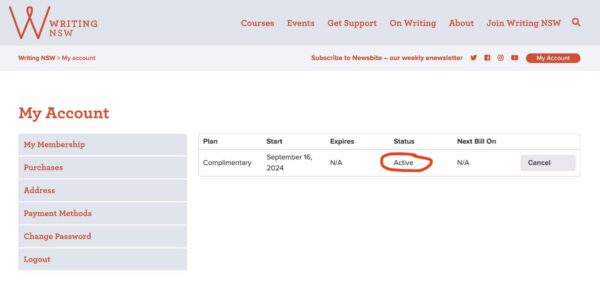
Before beginning the application it is strongly recommended that you are logged-in as a member to the Writing NSW website. Check your membership by logging in and clicking here. The status of your membership should be ‘Active’. If it is not, please complete payment for your annual membership before applying. You can do so by clicking on ‘View Billing’.
Applications for the Varuna Fellowship have now closed.
The 2026 Judging Panel comprises:
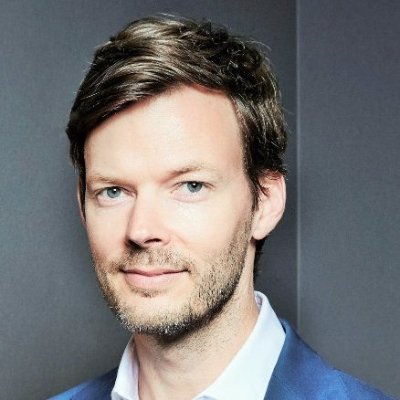
Justin Ractliffe has held a number of senior executive positions in the Australian publishing industry, including Managing Director at Hachette, Publishing Director at Penguin Random House, and Commercial Director at Thames & Hudson. He holds a Masters of Marketing from UNSW, is the recipient of the 2019 Copyright Agency Cultural Fund’s Publisher Fellowship, and the author of the children’s picture book DAD’S: A Field Guide.

Saman Shad is a writer, journalist, and playwright whose storytelling spans stage, screen, and page. In the UK, she was a scriptwriter for BBC Radio, and after relocating to Australia she created programs for the ABC and became a sought-after voice in journalism, contributing regularly to The Guardian, Sydney Morning Herald, ABC News, and SBS. Her plays have been commissioned by theatres in both London and Sydney. Her debut novel, The Matchmaker, was published by Penguin Australia in 2023, earning praise for its witty exploration of modern love and cultural identity. The Sex Lives of Married Women is her latest novel.

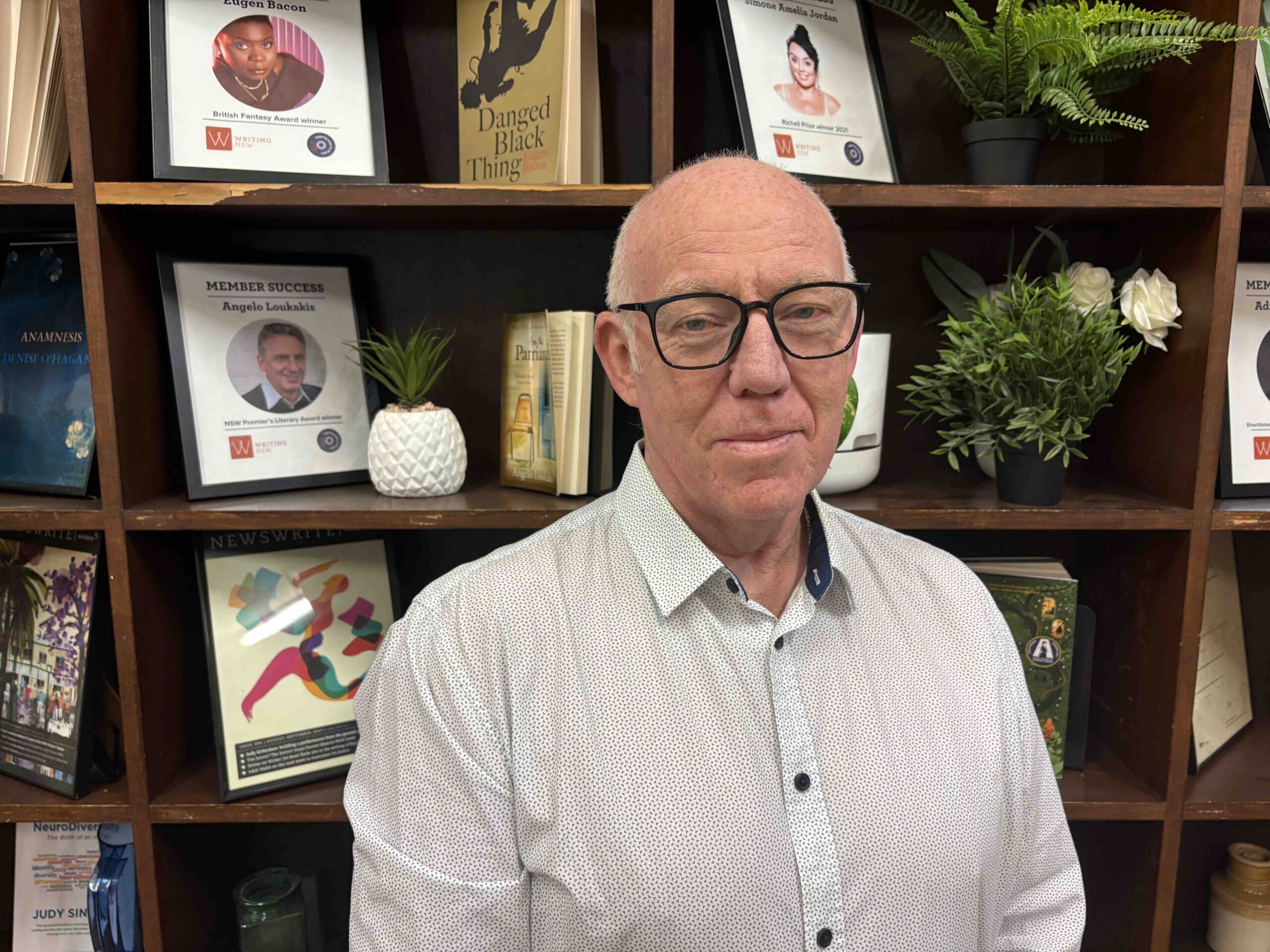
Andrew Glassop is the Operations Manager at Writing NSW. An arts administrator whose work spans museums, galleries, and public events across two decades in the sector, he has led programs and partnerships for national and local governments, as well as not-for-profit organisations, in both Australia and Singapore. Throughout his career, he has worked closely with writers and creative practitioners, supporting the development of new voices and literary projects. He holds a Master of Arts in Australian Literature.
Previous recipients include Kirsty Windeyer, J Marahuyo, Alison Martin, Lucy Nelson, Hajer Al-awsi, Cleo Mees, Jordan Shea, Kylie Boltin, Eleanor Kirk, Kaya Wilson, Winnie Dunn, Tanya Vavilova, Karina Young, Adele Dumont, Christopher McDonald, Irma Gold, Alex Chalwell, Mark Brandi, Jacqui Dent, Helen Thurloe, Lucie Stevens, Alison Thompson and Greg Woodland.
Want to learn more about the fellowship? Read Mark Brandi‘s five favourite things about his time at Varuna here. Adele Dumont gives us a sneak-peek at her journal entries during her residency here, and Kaya Wilson walks us through his residency week here. More information on previous winners can be found here.