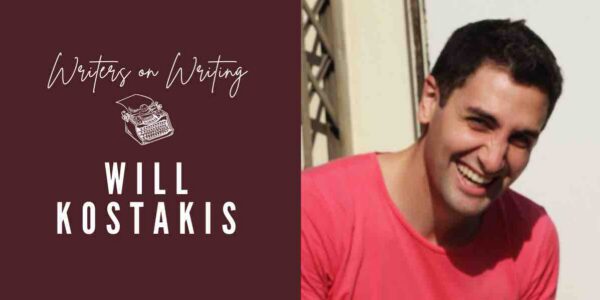
Writers on Writing is our regular conversation with a writer or industry professional about the writing craft, industry insights, and their own practice. This week, we spoke to Will Kostakis about the differences in writing for kids compared to young adults, resisting the urge to sound smart, and being first published at 19 years old.
What some the key differences between writing for children or teenagers and writing for adults? Beyond the age of the characters, how much should aspects such as writing style, themes, and content adapt to each audience?
When you write for kids and teenagers, it is imperative you remember that your characters are on the edge of the rest of their lives, experiencing firsts, making mistakes, and discovering the world and how they want to walk through it. It’s less about teaching lessons and exploring themes, and more about letting your characters exist in the world as it is, and be moved by it.
The question of appropriateness always comes up – and there are no easy answers. Speaking as an openly queer author, even if I don’t say anything, or write anything, my identity is enough to have my output dismissed by some gatekeepers. I was certain I was gay in Year 5, and I had a feeling a lot earlier. But for the first 10 years of my career, exploring queerness in books for Years 9+ was deemed controversial.
Imagine your young self, and if you can’t imagine telling your story to a kid or teen, let that guide you. You understand if a story is right for the audience, don’t overthink it.
How do you generate ideas for your novels?
How can an adult writer write teenage or kids’ voices authentically?
When you were first published at 19 years old, how did you prepare yourself for the publication process?
What does your regular writing practice look like? How can a writer build regular and sustainable writing routines?
Will Kostakis writes for young adults. First published at nineteen, he is best known for writing whip-smart comedies that break (then mend) hearts. We Could Be Something is his latest novel. It’s a humorous yet heart-rending look at family, fame and falling in love. It won the 2024 Prime Minister’s Literary Award for Young Adult Literature, and was shortlisted for the Victorian and New South Wales Premier’s Literary Awards, and the Queensland Literary Award.
Join Will Kostakis for Online: Writing for Middle Grade and YA with Will Kostakis, Wednesday 25 February to Tuesday 10 March 2026, online.

More from Writing NSW
Check out our full range of writing courses in Sydney, our online writing courses and our feedback programs to see how we can help you on your creative writing journey. Find out about our competitions and opportunities, as well as writing groups across NSW, and sign up to our weekly newsletter for writing events, opportunities and giveaways.